
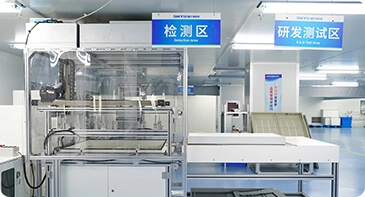



Number of Air Changes in a Class 100,000 Cleanroom
A class 100,000 cleanroom is a clean environment where the number of particles greater than or equal to 0.5 microns per cubic metre of air does not exceed 100,000 particles. This type of clean room is widely used in electronic manufacturing, pharmaceutical, medical equipment and other industries. The number of air changes is an important parameter in order to ensure the cleanliness and quality of the air inside the clean room.
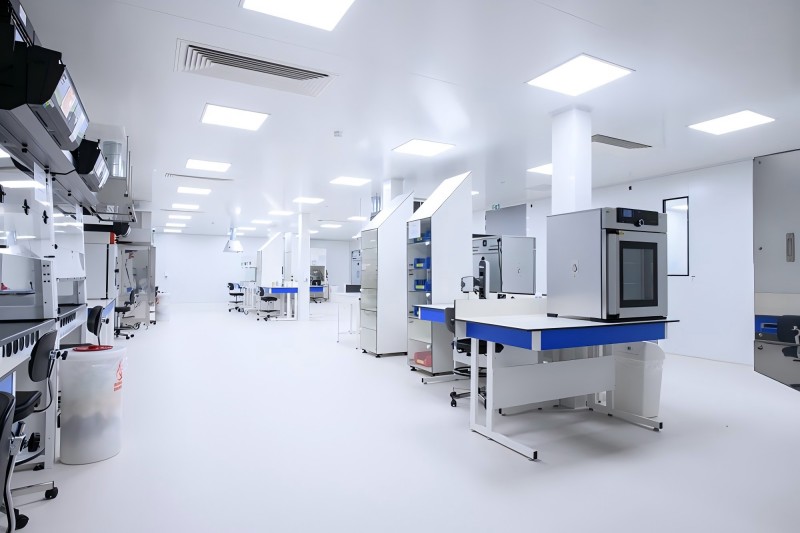
I. Overview of the number of air changes
The number of air changes is the number of times per hour that the air in a clean room is completely replaced. The higher the number of air changes, the faster the pollutants in the air are diluted and eliminated, thus better maintaining the air quality of the clean room.
II. Standard for the number of air changes in a class 100,000 clean room
According to different industry standards and application scenarios, the number of air changes required for a Class 100,000 cleanroom may vary. The following are some common reference standards:
| ISO 14644-1 standard | Number of air changes: 15-30 times / hour Application Scenario: General Industrial Cleanroom, Electronic Manufacturing, General Laboratory |
|---|---|
Federal Standard 209E (FED-STD-209E) | Number of air changes: 20-30 times / hour Application Scenario: Pharmaceutical Industry, Medical Device Production |
GMP (Good Manufacturing Practice) | Number of air changes: 20-25 times / hour Application Scenario: Pharmaceutical Workshop, Aseptic Production Environment |
III. Factors affecting the number of air changes
1. The use of the clean room: different uses of the clean room has different requirements for air cleanliness, and the number of air changes will also be different. For example, the pharmaceutical industry has higher requirements for air cleanliness, and the number of air changes is relatively high.
2. Personnel activities: the frequency of personnel activities in the clean room will affect the concentration of particles in the air, the more frequent the activities, the number of air changes should be increased accordingly.
3. Equipment operation: the operation of the equipment in the clean room will also affect the air quality, the heat and pollutants generated by the equipment need to be eliminated through air exchange.
4. External environment: The air quality of the external environment in which the clean room is located will affect the cleanliness of the internal air, and the number of air exchanges should be increased appropriately when the external air is more seriously polluted.
IV. Air exchange system design
1. Air flow calculation: according to the volume of the clean room and the requirements of the number of air changes, calculate the total air volume required. The formula is:
Total air flow (m³/h) = clean room volume (m³) × the number of air changes (times / hour)
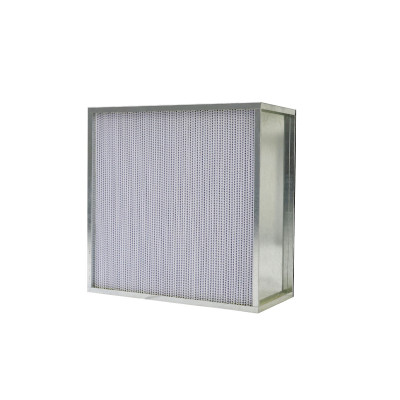
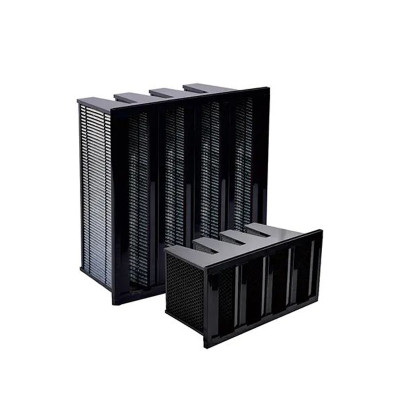
2. Filtration system: choose suitable high efficiency filters (HEPA or ULPA) and make sure that the air flow and efficiency of the filters can meet the requirements of air exchange in the clean room.
3. Airflow organisation: Reasonably design the airflow organisation of the cleanroom to ensure uniform air flow and avoid blind corners and vortex areas. Commonly used airflow organisation methods are laminar flow and turbulence.
4. Differential pressure control: maintain the pressure difference between the clean room and the outside as well as different cleanliness level areas to prevent contaminated air from entering the clean room. Usually, positive pressure should be maintained inside the clean room.
V. Maintenance and monitoring
1. Regular testing: Regularly test the number of air changes and air cleanliness in the clean room to ensure that the system operates normally.
2. Equipment maintenance: regularly maintain and replace the HEPA filter to ensure its filtration efficiency and air flow is stable.
3. Record management: establish the maintenance and monitoring records of the air exchange system to find and solve problems in time, so as to ensure the long-term stable operation of the clean room.
VI. Some other questions
1. How to improve the air exchange efficiency of class 100,000 cleanroom?
Improvement of air exchange efficiency can be achieved by optimising airflow organisation, selecting high-efficiency filters, and regularly maintaining air exchange equipment. In addition, reasonable control of personnel activities and equipment operation in the cleanroom can also help to improve the air exchange efficiency.
2. What is the differential pressure requirement for Class 100,000 cleanroom?
Generally speaking, the pressure difference between a class 100,000 clean room and the outside should be kept at 10-15 Pa, and the pressure difference with the neighbouring lower cleanliness areas should be kept at 5-10 Pa. The specific differential pressure requirement should be determined according to the design standard of the cleanroom and the actual application scenario.
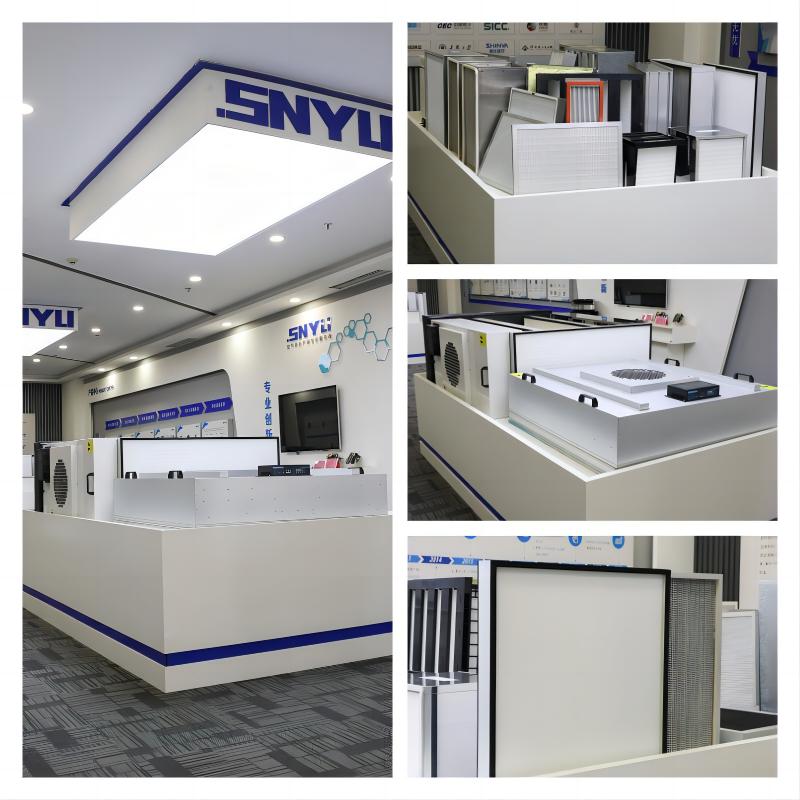
SNYLI is a professional manufacturer of air purification products, can provide a variety of air purification products and equipment including air filters, FFU, ISO/CE certificates are available, accept product customisation, welcome your inquiry!