



How to Judge the Replacement Interval of HEPA Filters
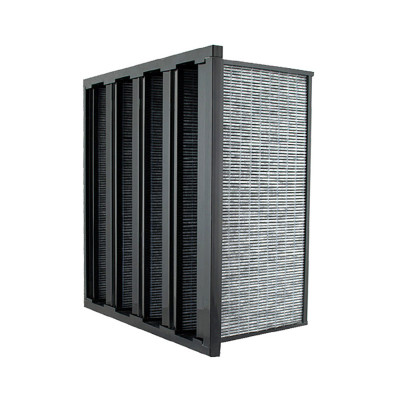
High efficiency particulate air (HEPA) filter replacement intervals have a direct impact on the efficiency of your air purification system and indoor air quality. Timely replacement of HEPA filters ensures proper system operation and provides a clean air environment.
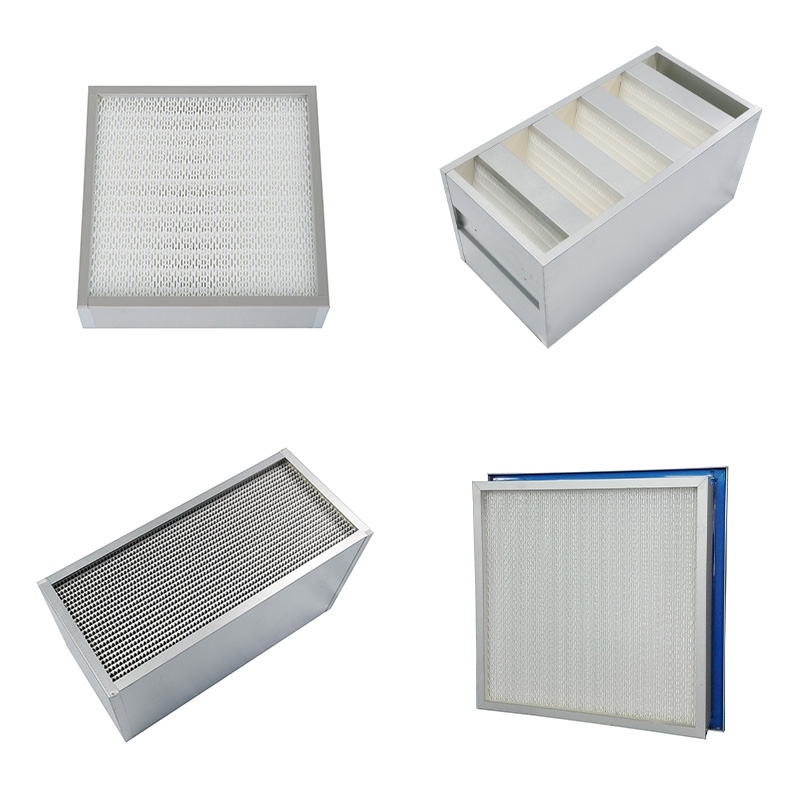
I. Several key factors affecting the replacement cycle of HEPA filters.
1. Initial and final resistance
The resistance of HEPA filters is an important indicator for determining their replacement cycle. During the use of the filter, with the accumulation of dust and particles, the resistance will gradually increase. When the resistance reaches a certain value, the filtration efficiency and air flow of the filter will drop significantly, and then the filter needs to be replaced.
| Initial resistance | The resistance of a new filter at rated air flow is generally between 100-250 Pa. |
|---|---|
| Final resistance | The resistance when the filter needs to be replaced is generally 2-3 times of the initial resistance, and the common range is 300-600 Pa. |
By installing differential pressure gauge or differential pressure switch, the resistance of the filter can be monitored in real time. When the resistance reaches the final resistance, the filter should be replaced in time.
2. Environment of use
It is important to note that the air quality of the environment in which the filter is used has a significant impact on the replacement interval of HEPA filters. In a more polluted or dusty environment, the filter replacement cycle will be relatively shorter. The following are some reference replacement intervals for common environments:
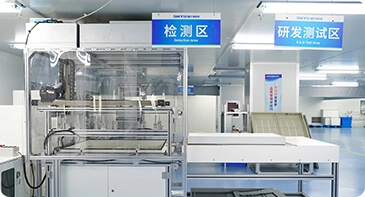
| Clean rooms, laboratories | 6-12 months |
|---|---|
| Hospitals, operating theatres | 6-12 months |
| Offices, commercial buildings | 12-18 months |
| Industrial environment | 3-6 months |
The specific replacement cycle should be adjusted according to the actual use and monitoring data.
3. Operating time
The operating time of the HEPA filter is also an important factor in determining the replacement interval. Generally speaking, the longer the cumulative running time of the filter, the more likely that its filtration efficiency and airflow will decline. It is recommended to record the running time of the filter regularly and replace it in conjunction with the change of resistance.
II. Judgement method of the replacement cycle of HEPA filter
1. Differential pressure monitoring method.
Install differential pressure meter or differential pressure switch to monitor the resistance of the filter in real time. When the resistance reaches the final resistance, replace the filter.
2. Regular replacement method
According to the usage environment and experience, set up a regular replacement schedule. For example, replace the filter every 6 or 12 months.
3. Air quality monitoring
Air quality monitoring equipment allows real-time monitoring of the concentration of particulate matter in indoor air. When a significant drop in air quality is monitored, it is possible that the filter has failed or is close to failure and needs to be replaced.
4. Visual inspection
Regular visual inspection is also a way to judge the replacement cycle of HEPA filters. Check whether there is obvious dust accumulation or damage on the filter surface. If serious dust accumulation or damage is found on the surface of the filter, it should be replaced in time.
III. How to extend the service life of HEPA filters
The following measures can be taken to extend the service life of the HEPA filter:
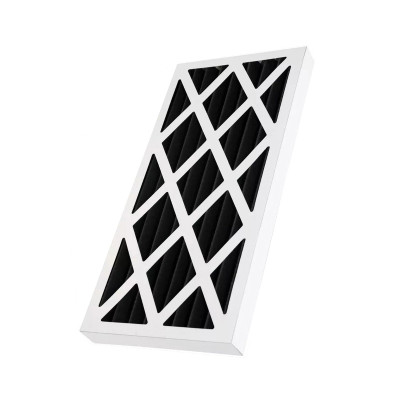
| Pre-filter | Install a pre-filter before the HEPA filter to capture larger particles and reduce the burden on the HEPA filter. |
|---|---|
| Regular maintenance | Clean and replace the pre-filter regularly to keep the system clean. |
| Reasonable use | Reasonably adjust the air flow according to the actual demand, avoid too high or too low wind speed. |
IV. The performance of the failure for HEPA filters
Resistance increase: the filter resistance increases significantly, and the air flow decreases.
Air quality decreases: the concentration of particles in the indoor air increases, and the air quality decreases significantly.
Noise increase: due to the increase in resistance, the fan load increases, generating greater noise.
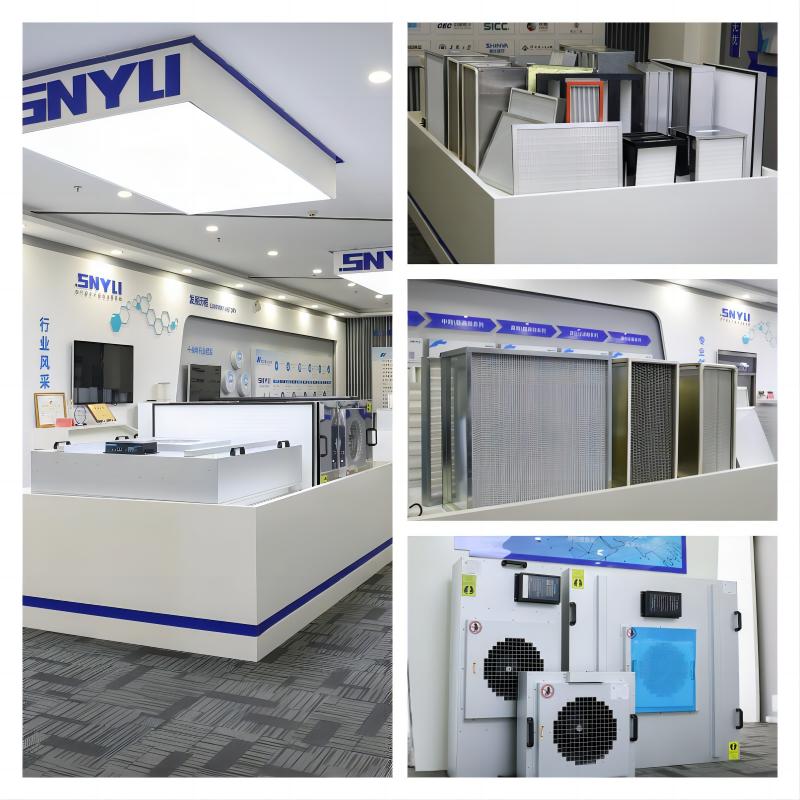
With proper monitoring and maintenance, it is possible to ensure that the HEPA filter operates properly and provides a healthy indoor environment. SNYLI specialises in the production of HEPA filters and a wide range of air filtration products, please feel free to enquire!