





Don’t Know Your HVAC Filter Size? Here’s How to Find It in 3 Minutes
A Quick Intro to MERV 8 HVAC Filters
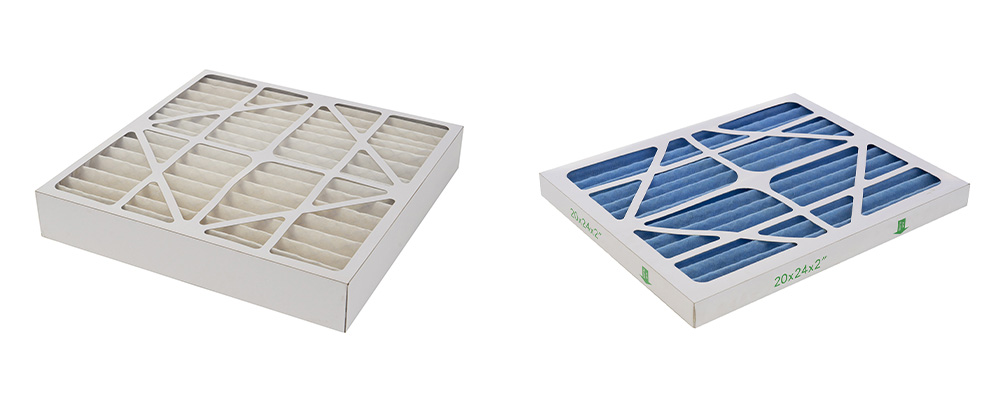
MERV 8 AC & Furnace Filters (also known as MERV 8 HVAC Air Filters, Household Furnace Replacement Filters, Central Air Conditioner Pleated Filters) are the most widely used air filters for residential and light commercial HVAC systems (central air conditioners, furnaces, heat pumps). Designed to balance reliable particle capture and unobstructed airflow, they protect HVAC equipment from damage while improving basic indoor air quality — making them the go-to routine replacement filter for households, small businesses, and property management teams. Below we break down key industry knowledge to help you choose, use and maintain filters correctly.
How to Find the Right Nominal Size If You Don’t Know It
Don’t worry if you don’t have the original filter size — follow these simple steps to locate the correct nominal dimension:
•Check the HVAC unit label: Most air handlers/furnaces have a sticker on the side or door that lists the recommended filter nominal size (printed as Length x Width x Depth, e.g., 20x25x1).
•Measure the filter slot: Use a tape measure to get the inner length, width and depth of the filter compartment round up to the nearest standard nominal size (standard sizes: 10x20x1, 14x20x1, 16x20x1, 20x25x1, etc.).
•Check the old filter: Even if worn, most used filters print the nominal size on the frame border — use this as a direct reference.
Why Choosing the Correct Size Is Critical
Using an improperly sized filter defeats the purpose of filtration and harms your HVAC system:
•Air bypass leakage: A filter that's too small leaves gaps around the edges; unfiltered air (with dust, debris) flows straight into the HVAC coils and motors, causing clogs and wear.
•System strain: An oversized filter forces installation, bending the frame or blocking airflow; this raises static pressure, makes the blower work harder, hikes energy bills and shortens equipment life.
•Poor filtration: Ill-fitting filters cannot seal properly, lowering efficiency and failing to protect your space or system.
What Does MERV 8 Efficiency Mean?
MERV (Minimum Efficiency Reporting Value) is the standard rating for air filter performance, ranked 1–20 (higher = finer filtration). MERV 8 is defined as:
•Filters ≥90% of airborne particles sized 3–10 microns, including dust, lint, pollen, mold spores, pet dander, and dust mite debris.
•Balances decent filtration with low air resistance — unlike high-MERV filters (MERV 11+), it won’t restrict airflow for standard residential HVAC systems.
•Falls in the everyday practical efficiency range: Not overkill for basic use, yet effective enough to shield equipment and improve indoor air.
Ideal Application Scenarios for MERV 8 Filters
These AC Furnace Combo Filters are versatile and cost-effective, covering nearly all daily basic filtration needs. They are the preferred choice for mainstream spaces that require steady airflow and reliable dust removal, including these common scenarios:
•Residential Spaces: Family houses, apartments, villas, townhouses, and rental properties — perfect for daily home air purification and HVAC maintenance.
•Pet-Friendly Homes: Residences with cats, dogs or other furry pets, targeting pet dander, fur and household dust without restricting airflow.
•Light Commercial & Public Areas: Small offices, retail stores, cafes, beauty salons, libraries, classrooms and small conference rooms.
•Property & Real Estate: New home standard configuration, community public HVAC maintenance, rental property routine upkeep and property management bulk replacement.
•Low-Dust Commercial Spaces: Clinics, dental offices, elderly care centers, kindergartens and other spaces needing basic clean air.
•Seasonal & Temporary Use: Vacation homes, workshops, storage rooms with HVAC systems, and spaces with intermittent air conditioning/furnace use.
Why Filter Lifespan Varies by Usage Scene
No fixed lifespan applies to all spaces — usage environment directly impacts how fast the filter clogs:
•Short lifespan (3–4 weeks): Homes with pets (shedding fur/dander), dusty areas, construction nearby, or high HVAC usage (constant cooling/heating).
•Standard lifespan (2–3 months): Average family homes, low-traffic spaces, minimal dust/pet presence, regular ventilation.
•Longer lifespan (3–4 months): Vacant homes, small offices with few people, clean indoor environments with low dust generation.
The filter fills with debris faster in high-pollutant spaces, so it needs more frequent replacement to maintain performance.
When to Replace Your Filter Based on Personal Situation
Follow this flexible replacement schedule to stay on track:
•Default rule: Replace every 2–3 months for most households.
•Shorten interval to 1 month if: You have 1+ pets, live in a dusty area, run HVAC 8+ hours daily, or have family members with allergies/asthma.
•Visual check tip: Replace immediately if the filter media looks dark grey/black, clogged with dust, or damaged — even if it hasn’t hit the 2-month mark.